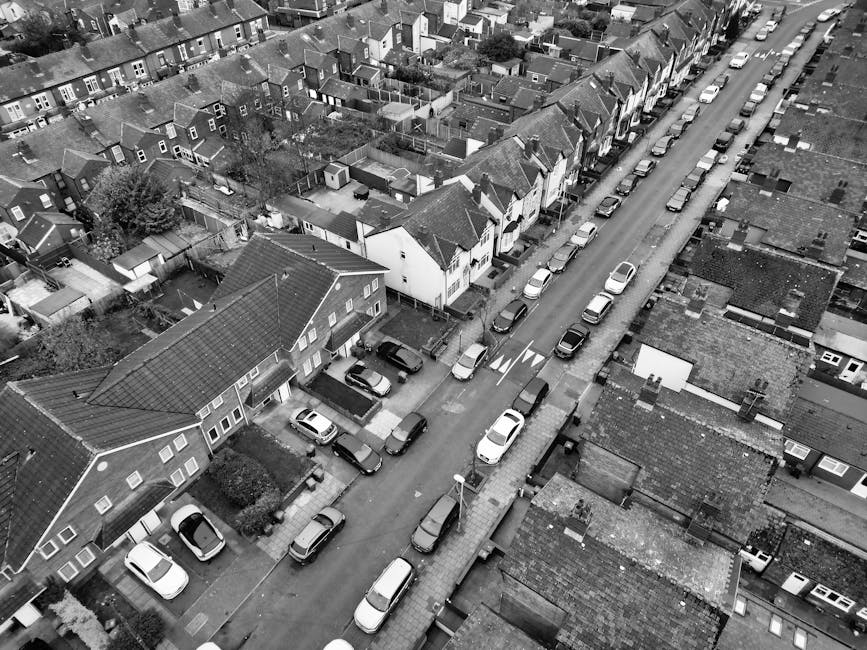
Wells Park Road Sydenham garden care guide for terraced homes
If you live on Wells Park Road in Sydenham, you already know the garden setup can be a bit of a mixed blessing. Terraced homes often come with compact outdoor spaces, shared boundaries, awkward access, and a constant battle between shade, clutter, and the usual London weather doing its thing. A good Wells Park Road Sydenham garden care guide for terraced homes is not about making every plot look like a magazine spread. It is about keeping the space healthy, tidy, safe, and genuinely usable.
This guide walks through what matters most for terraced gardens in this part of Sydenham: how maintenance works, what gives the biggest return, where people usually go wrong, and when it makes sense to bring in help. You will also find a practical checklist, a comparison table, and a few grounded tips from real-world garden care. Nothing fancy for the sake of it. Just useful advice that fits the way these gardens actually live.
Table of Contents
- Why this matters for terraced homes on Wells Park Road
- How the garden care process works
- Key benefits and practical advantages
- Who needs this and when it makes sense
- Step-by-step guidance
- Expert tips for better results
- Common mistakes to avoid
- Tools, resources and recommendations
- Law, compliance, standards and best practice
- Options, methods and comparison table
- Case study and real-world example
- Practical checklist
- Conclusion
- Frequently asked questions
Why Wells Park Road Sydenham garden care guide for terraced homes Matters
Terraced-home gardens in Sydenham often work harder than they look. They are small enough to feel manageable, but not always simple. One week the lawn is growing well in mild shade, the next it is patchy because the back fence blocks airflow and the soil stays damp. There may be steps, narrow side access, fence lines that need careful trimming, and neighbours close enough that noise, mess, and timing all matter.
That is why a local garden care approach matters. A garden in this setting needs more than occasional mowing. It usually needs a balanced routine that covers mowing, edging, pruning, leaf clearance, weed control, and seasonal tidy-ups. Small jobs left too long tend to stack up quickly. Truth be told, terraced gardens can go from neat to messy fast if you miss a few weekends.
There is also a visual and practical reason. A well-kept rear garden can make a compact home feel calmer, larger, and easier to use. It becomes a place for a coffee in the morning, a bit of container planting, or just a clear route to the shed without stepping over overgrown stems. That kind of everyday usability is often the real goal.
If you are exploring ongoing help, it is worth looking at a provider's wider service approach too. The services overview gives a useful sense of what can usually be handled as part of a regular maintenance visit, while the pricing and quotes page can help you understand how work is typically scoped.
How Wells Park Road Sydenham garden care guide for terraced homes Works
In practical terms, garden care for a terraced home usually follows a simple pattern: inspect, clear, cut, shape, and tidy. The exact order changes a little depending on the season and the condition of the garden, but the principle stays the same. You start with what is getting in the way, then deal with the growth that is affecting the garden's shape or health.
For a typical terraced property, the work often includes:
- Lawn mowing and border edging
- Strimming around tight corners and awkward edges
- Pruning back soft growth, hedges, and scruffy stems
- Weed removal from paving, borders, and gravel areas
- Leaf and debris clearance
- Light shaping so the garden looks intentional, not hacked back
It helps to think of the garden as a set of small zones rather than one big task. Front path, back lawn, side return, raised beds, fence line, pots, and a bin area all behave differently. A sun-trap corner may dry out quickly, while a shaded patch along a wall may stay mossy and soft. The right care depends on those differences.
Seasonal rhythm matters too. In spring, growth tends to surge and the main job is often control. In summer, the aim is consistency and water awareness. In autumn, leaf clearance and keeping pathways safe become a bigger part of the job. Winter is quieter, but not dead quiet. You still need checks, trimming where appropriate, and an eye on drainage. Nobody enjoys a slippery path in December. Nobody.
For homeowners who want dependable maintenance rather than one-off rescue work, it can make sense to review trust and safety details as well. A clear health and safety policy and the company's insurance and safety information are reassuring signs that the work will be handled carefully and responsibly.
Key Benefits and Practical Advantages
A good terraced-garden care routine brings a surprisingly broad set of benefits. Some are obvious. Some only become obvious once you have lived with a tidy garden for a few months.
- Better use of space: A compact garden feels larger when pathways, borders, and lawn edges are clean and defined.
- Less overwhelm: Regular care prevents the build-up that makes garden work feel like a weekend-eating monster.
- Improved safety: Clear paths, trimmed growth, and removed debris reduce trip hazards and slippery patches.
- Healthier planting: Pruning, weed control, and seasonal attention help plants compete less with clutter and more with each other in a sensible way.
- Better neighbour relations: In terraced streets, tidy boundaries and sensible work timings matter more than people sometimes admit.
- Stronger curb appeal: Even a small front garden or entry strip can lift the whole property.
There is also a mental benefit. A garden that looks looked after tends to invite use. You notice the chairs are easier to pull out. You are less put off by the state of the place. Small thing, maybe, but it counts. On a damp Tuesday morning in Sydenham, that can be the difference between enjoying the space and ignoring it.
For many homeowners, the practical value is tied to regularity rather than intensity. Little and often is usually the winning approach. The garden stays under control, jobs stay cheaper to manage, and no one has to attack a jungle with a hedge trimmer and a prayer.
Who This Is For and When It Makes Sense
This kind of garden care is especially useful if you live in a terraced house and any of the following sound familiar:
- You have limited time and want the garden to stay presentable without constant effort.
- The back garden is narrow, shaded, or difficult to access.
- You have a lawn that grows unevenly because of shade, pets, or patchy soil.
- You need help keeping on top of weeds, edge lines, and overgrowth.
- You are preparing to sell, rent, or simply make better use of the outdoor space.
It also makes sense if your garden has become one of those places where things drift. A few pots turn into a row of mismatched containers. A border fills with self-seeded growth. The path gets narrower each month. Before long, the garden is still technically a garden, but it feels like a storage area with green bits. Happens all the time, honestly.
Homeowners often ask whether they need full redesign work or just maintenance. More often than not, the answer is maintenance first. If the structure is sound, a clean-up and ongoing care plan usually deliver the quickest improvement. If you are unsure, start with a review of the existing condition and a few sensible priorities.
For people comparing service levels or looking for a first booking, the pricing and quotes page can be a helpful next step. It is easier to decide once you know how the work is typically scoped.
Step-by-Step Guidance
Here is a practical way to approach terraced garden care on Wells Park Road and similar Sydenham streets. This is not flashy, but it works.
- Walk the garden first. Look for overgrowth, damaged plants, blocked drains, slippery paving, and awkward access points.
- Clear the obvious clutter. Remove loose pots, fallen branches, toys, garden waste, and anything sitting where you need to work.
- Tackle weeds and self-seeded growth. Get them out before mowing or pruning, otherwise they just come back into the frame.
- Mow or strim the lawn. For compact gardens, a neat finish matters more than chasing perfection. Keep the cut even and avoid scalping thin areas.
- Edge borders and paths. Crisp edges make a small garden look organised immediately. It is one of the quickest visual wins.
- Trim and shape the planting. Remove dead, weak, or crossing growth. Keep shrubs from swallowing the path or leaning heavily over fences.
- Check drainage and surface areas. Clear leaves from grates, drains, and gullies so water has somewhere to go.
- Finish with a full tidy. Sweep hard surfaces, remove cuttings, and reset pots or furniture so the space feels finished.
If the garden has both lawn and hard landscaping, work from the messiest area to the cleanest. That way you are not dragging debris across a finished surface. Small workflow detail, big difference.
Another useful habit is to keep a simple seasonal note. Nothing complicated. Just: what grew fast, what got slippery, what needed extra watering, what kept dropping leaves. Over time, this gives you a better feel for the garden's quirks. And every terraced garden has quirks. Every single one.
Expert Tips for Better Results
A few localised, practical habits can make a noticeable difference in a terraced garden. These are the kinds of things that save time later.
1. Treat shade as a design fact, not a flaw
Many Sydenham gardens get less sun than people hope for. Instead of fighting that, work with it. Choose plants and maintenance rhythms that suit partial shade, and accept that some lawns will always look a bit softer there. That is normal.
2. Prioritise edges and access points
If time is tight, clean the edges first: steps, paths, fence lines, and door approaches. These are the areas that make a garden feel cared for from the house and from the neighbour's side. The rest can be improved more gradually.
3. Keep pruning light and regular
Many shrubs respond better to small, frequent trims than to a single hard cut. Gentle shaping keeps things manageable and avoids that blunt, over-cut look. It also reduces the chance of stressing the plant.
4. Use debris removal as a finishing stage, not an afterthought
Leaving clippings in a small garden makes it feel messy fast. In a terrace setting, a neat finish is half the job. If you want the space to feel calm, remove waste properly and do not rush this bit.
5. Plan for neighbours and shared boundaries
A bit of courtesy goes a long way. Keep noisy work to reasonable hours, watch where cuttings land, and check fence-side growth before it causes friction. Terraced living rewards small acts of consideration. Not glamorous, but very real.
If sustainability matters to you, it is worth asking how green waste is handled and whether materials are reused or recycled where appropriate. The recycling and sustainability page is a useful reference for understanding eco-aware practice.
Common Mistakes to Avoid
Most garden problems in terraced homes do not start as disasters. They begin with a few small avoidable choices. Here are the big ones.
- Letting jobs pile up: A missed fortnight becomes a missed month, and suddenly everything takes longer.
- Cutting too much at once: Hard pruning or heavy mowing can stress plants and leave bare patches.
- Ignoring drainage: Small blockages quickly become standing water, moss, and slippery paths.
- Using the wrong plants for the site: A sun-loving border plant will struggle in a damp, shaded corner.
- Overlooking boundary growth: Fences, shared lines, and overhanging branches can become awkward if left alone.
- Skipping waste removal: Piles of cuttings, even small ones, make the garden look unfinished and can attract damp or pests.
One of the most common missteps is aiming for a big one-off tidy and then nothing for ages. It feels satisfying for about three days. Then the growth starts again, and you are back where you started, only slightly tired and mildly annoyed. Regular maintenance wins more often than dramatic clean-ups.
Another issue is underestimating access. Terraced gardens sometimes have narrow gates, side alleys, or awkward steps. That changes the tools and time required. A professional setup should account for this rather than pretend every garden is a nice square lawn in a brochure.
Tools, Resources and Recommendations
You do not need a shed full of fancy equipment to keep a small Sydenham terrace garden in good order. In many cases, a simple, well-kept toolkit is better than a lot of bulky gear.
| Task | Useful tool or method | Why it helps in terraced gardens |
|---|---|---|
| Mowing a small lawn | Compact mower or well-maintained electric mower | Easier to manoeuvre through tight access and around borders |
| Trimming edges | Hand shears or edging tool | Gives a cleaner finish along paths and beds |
| Controlling weeds | Hand weeding tool, hoe, or careful spot treatment | Safer and more precise around patios and planted areas |
| Clearing leaves and debris | Rake, broom, and refuse bags | Helps keep paths dry and reduces slipping risk |
| Pruning | Sharp secateurs and loppers | Gives cleaner cuts and less damage to stems |
For many homeowners, the most useful resource is not a tool at all. It is a maintenance plan. That can be as simple as a fortnightly tidy in the growing season, then lighter monthly checks in quieter months. If you are comparing broader service support, the services overview helps outline what a more complete care arrangement can include.
Payment and booking processes should also feel straightforward. If you are arranging recurring visits or one-off work, take a moment to review the payment and security information so there are no surprises later on. Simple, but worth doing.
Law, Compliance, Standards and Best Practice
For most domestic garden care jobs, the legal side is fairly light-touch, but best practice still matters. If work involves tools, ladders, powered equipment, waste handling, or access across shared spaces, it should be carried out responsibly and with due care. In a terraced area, that is not just good manners; it is sensible risk management.
From a homeowner's perspective, a few checks are sensible:
- Insurance: Make sure any contractor has suitable cover for public liability and garden work.
- Health and safety: Ask how they manage tool use, debris, slips, and access issues.
- Waste handling: Find out whether green waste is removed and disposed of properly.
- Privacy and access: Confirm where equipment will be moved and how gates or side passages will be used.
It is also sensible to review company policies if you are booking regular help. Pages such as the health and safety policy, insurance and safety, and accessibility statement can tell you a lot about how a business operates and whether it takes its responsibilities seriously.
For service businesses generally, a clear complaints route is also a good sign. Things do occasionally go wrong, lets face it. A proper complaints procedure shows there is a process for putting things right rather than hoping problems vanish.
And yes, there are behind-the-scenes trust pages that matter too. A readable modern slavery statement may not be the first thing most homeowners look for, but it does contribute to the overall picture of a responsible business.
Options, Methods and Comparison Table
There is more than one way to care for a terraced garden, and the right method depends on how much time you have, how much the space gets used, and how quickly the garden grows. Here is a simple comparison.
| Approach | Best for | Pros | Trade-offs |
|---|---|---|---|
| DIY upkeep | Homeowners with time and basic tools | Flexible, lower direct cost, hands-on control | Easy to fall behind; can become time-consuming |
| One-off tidy-up | Overgrown or neglected gardens | Fast visual improvement; good reset point | Does not prevent regrowth without follow-up |
| Regular maintenance | Busy households and rental homes | Consistent presentation, easier budgeting, less stress | Requires routine scheduling |
| Seasonal visits | Gardens that change quickly in spring/autumn | Targets peak growth and leaf fall | May not be enough during fast-growing periods |
For many Wells Park Road terraces, regular maintenance is the sweet spot. It keeps things under control without turning garden care into a second job. If you only need help twice a year, that can work too, but the garden has to be fairly stable. If it is not, you will probably know quite quickly.
Case Study or Real-World Example
Here is a realistic example based on the kind of terraced garden you see often around Sydenham. A homeowner has a narrow rear garden with a small lawn, two border beds, a paved area, and a side return that catches shade most of the day. By late spring, the lawn is patchy at one end, weeds have started creeping between the slabs, and the shrubs are brushing the fence line.
The first visit focuses on the basics: clear debris, remove weeds, edge the lawn, reduce overhang, and lift any cuttings from the paved area. The next step is not a massive redesign. It is a maintenance plan. Light mowing every couple of weeks during active growth, a simple prune after the main flush, and leaf clearance in autumn. Nothing dramatic. Just consistency.
After a few weeks, the change is less about "new garden" and more about "easy garden." The path feels open again. The lawn looks cared for. The side return stops collecting mess. The homeowner can put a chair out without first doing a 20-minute rescue mission. That is usually the real win. Quietly practical.
In cases like this, working with a local service makes sense because access, seasonal timing, and typical terrace-garden issues are understood from the start. A local team is less likely to be surprised by tight spaces, damp corners, or the general London habit of growing faster than expected after a mild spell.
Practical Checklist
Use this checklist if you want a simple way to keep a terraced garden in shape between visits.
- Check paths, steps, and entry points for slips or trip hazards
- Remove weeds from hard surfaces and border edges
- Mow or trim grass before it gets too long
- Cut back anything blocking access or leaning over boundaries
- Clear fallen leaves, twigs, and loose debris
- Empty or rearrange cluttered pots and containers
- Inspect drains and gullies after wet weather
- Confirm waste is bagged or removed properly
- Review whether any shrubs need light shaping rather than hard pruning
- Plan the next maintenance date before the garden drifts again
Quick summary: in a terraced garden, small regular actions beat big occasional efforts almost every time. Keep the edges neat, the access clear, and the waste managed, and the whole space starts to feel easier.
Get a free quote today and see how much you can save.
Conclusion
A good Wells Park Road Sydenham garden care guide for terraced homes is really about making a small outdoor space behave well. Not just look pretty for a week, but stay manageable, safe, and welcoming through the seasons. That means understanding shade, access, neighbours, drainage, and the pace of growth in a London terrace setting.
If you keep the work regular, focus on the high-impact jobs first, and use sensible support where needed, the garden becomes much easier to live with. And that matters. A compact terrace garden can be one of the best parts of a home when it is cared for properly. A little attention goes a long way.
If you are ready to plan the next step, explore the available garden care services and check the quote details to see what suits your space and schedule. Keep it simple, keep it steady, and give the garden a fair chance to do its job.
In the end, a well-kept terrace garden does not just sit there looking tidy. It quietly improves the way home feels, day after day.
Frequently Asked Questions
What makes terraced garden care different on Wells Park Road in Sydenham?
Terraced gardens there often have tighter access, more shade, and closer boundary lines than larger suburban plots. That changes how mowing, pruning, and waste removal are handled. The pace is usually more about regular maintenance than occasional major work.
How often should a small terraced garden be maintained?
During active growing periods, many gardens benefit from attention every one to two weeks, especially if there is a lawn. In quieter months, monthly checks may be enough. The exact rhythm depends on shade, soil, planting density, and how much you use the space.
Is regular mowing enough for a terraced home garden?
Usually not on its own. Mowing helps, but terraced gardens also need edging, weed control, pruning, and tidying of paths or borders. Otherwise the space can look cut but still messy, which is a bit frustrating really.
What are the biggest problems in small Sydenham gardens?
The most common issues are patchy lawns, weeds in paving, overcrowded borders, poor drainage, and blocked access paths. Shade and damp can also make moss and soft growth more likely in some corners.
Can a tiny back garden still be worth professional care?
Yes, absolutely. Small gardens often show the benefits of proper maintenance faster than larger ones because every detail is visible. A neat edge or cleared path can completely change how the whole space feels.
What should I ask before booking a garden care service?
Ask what is included, how waste is handled, whether the team is insured, and how they approach safety and access. It is also sensible to ask about payment terms and whether they offer one-off or recurring visits.
How do I keep a terraced garden looking tidy between visits?
Focus on the visible basics: sweep paths, pick up loose debris, deadhead or trim obvious growth, and keep an eye on weeds near hard surfaces. Small weekly habits make a surprising difference.
Is autumn a bad time to manage a terrace garden?
Not at all. Autumn is often the time when leaf clearance, drainage checks, and boundary tidying matter most. If you leave those jobs too long, wet weather can make the garden feel slippery and neglected quickly.
What if my garden gets very little sun?
Then the care approach should reflect that. Shade-tolerant planting, careful watering, and less aggressive lawn expectations are usually the answer. Some gardens are simply not built to behave like sun-baked lawns, and that is fine.
Are there any safety checks I should expect from a professional?
Yes. Safe tool use, sensible waste handling, attention to trip hazards, and clear communication about access are all standard expectations. You can also review a provider's health and safety policy and insurance and safety information for extra confidence.
How do I know if my garden needs a one-off tidy or ongoing care?
If the space has drifted badly, a one-off reset may be the best start. If the same issues keep returning, ongoing care is usually more effective and often easier on the budget in the long run. The garden usually tells you, to be fair.
What happens to the green waste after a garden visit?
That depends on the service, so it is worth asking directly. Some providers remove it, others separate it for recycling or composting where appropriate. If sustainability matters to you, check the recycling and sustainability information before booking.