Lewisham Council rules for garden maintenance in Sydenham

If you keep a garden in Sydenham, the basics sound simple enough: mow the lawn, trim the hedge, clear the leaves, and don't let the place slide into chaos. But the reality is a bit more nuanced. Lewisham Council rules for garden maintenance in Sydenham can affect everything from overgrown front gardens and boundary hedges to waste disposal, neighbour complaints, and what counts as a reasonable standard of upkeep. Miss the mark, and a tidy patch can turn into an avoidable issue very quickly.
This guide breaks the topic down in plain English. You'll see what the council generally expects, why it matters, how maintenance works in practice, and what to do if your garden has got away from you a little. We'll also look at practical standards, common mistakes, and the kind of service choices that make life easier. Truth be told, most people do not need perfection. They just need a sensible, steady routine and a clear idea of what "well maintained" actually looks like.
Why Lewisham Council rules for garden maintenance in Sydenham Matters
Garden maintenance is not just about appearances. In a place like Sydenham, where homes, terraces, and shared boundaries sit close together, an untidy garden can quickly spill over into everyday life. Long grass attracts complaints from neighbours. Ivy can creep into fences. A fallen branch might block access. And if waste starts piling up, the problem stops being cosmetic and becomes a practical nuisance.
Lewisham Council's expectations matter because they help keep streets safer, cleaner, and more pleasant for everyone. That includes front gardens visible from the road, back gardens that affect shared boundaries, and outside spaces where discarded waste or dead growth may create hazards. It is less about being fussy and more about preventing avoidable mess, pests, blocked walkways, or disputes that nobody really wants to deal with on a wet Tuesday afternoon.
There is also the community side of it. A well-kept garden can support property appearance, reduce friction between neighbours, and make a small outdoor space far more usable. Even a modest patch with a few pots, a neat lawn, and trimmed edges can feel calm and looked after. The difference is obvious the moment you step outside.
How Lewisham Council rules for garden maintenance in Sydenham Works
To keep things simple, the council approach is usually based on nuisance, safety, and environmental upkeep rather than telling every homeowner how often to mow the lawn. In practice, that means the question is often not "How many centimetres is the grass allowed to be?" but "Is the garden causing a problem?"
Typical concerns include overgrown vegetation, hedges that obstruct pavements or sight lines, rubbish or green waste left in a way that attracts complaints, and branches or shrubs that interfere with neighbouring properties. If a garden appears neglected enough to create a hazard or a recurring issue, it can trigger contact from the council or from neighbours who are fed up with the view. Let's face it, people notice overgrowth faster than they notice a perfectly edged border.
In a lot of cases, the first fix is straightforward: cut back growth, remove waste, and keep on top of regular maintenance. If you are renting, the responsibility may be shared with or directed to the tenant or landlord depending on the tenancy terms. If you are managing a larger or more complex property, such as a rental house or a garden with mature shrubs and trees, the maintenance plan needs to be a little more disciplined.
For homeowners who want a more reliable routine, a broader garden maintenance service can help keep the work consistent rather than waiting for things to get out of hand. And if the space needs a bigger reset, garden clearance may be the more practical starting point before normal upkeep can begin again.
Key Benefits and Practical Advantages
Keeping on top of garden maintenance has a few obvious benefits, but the less obvious ones matter too. A tidy garden is easier to maintain next time. That is the big one. A little bit of routine work saves you from a much bigger job later, and in gardening, delay has a nasty habit of multiplying effort.
- Lower risk of complaints: Neighbours are less likely to raise concerns about overgrowth, mess, or blockages.
- Safer outdoor spaces: Clear paths, tidy edges, and managed plants reduce slips, trips, and awkward pruning situations.
- Better kerb appeal: Even a small front garden makes a strong first impression when it is neat and balanced.
- Less long-term damage: Regular cutting and clearing helps prevent roots, weeds, and branches from becoming harder to manage.
- More usable space: A maintained garden is more pleasant for sitting out, gardening, or letting children play.
There is also a mental benefit that people underestimate. A garden that looks under control tends to feel under control. You step outside with a cup of tea, see the grass cut and the beds edged, and the whole house feels a bit lighter. Small thing, maybe. But real.
Who This Is For and When It Makes Sense
This topic matters to a wide mix of people in Sydenham. Homeowners may need guidance after a busy season, a long holiday, or a period when work and life simply got in the way. Landlords and letting agents need to think about compliance, tenant expectations, and the condition of the property between lets. Tenants may want to know what they are responsible for before a garden becomes a point of conflict. And older residents or busy families may just want a dependable system that keeps the garden in good shape without turning weekends into hard labour.
It also makes sense for anyone with:
- a front garden visible from the street
- hedges on a boundary line
- trees that need periodic pruning or inspection
- heavy leaf fall in autumn
- weeds, brambles, or self-seeded growth that keeps returning
- a neglected garden that needs a reset before routine care can resume
If the garden is already in a rough state, starting with a full tidy-up often saves time and stress. Afterwards, regular mowing and trimming become much easier. It sounds obvious, but people often try to maintain a space that actually needs clearing first. That rarely ends well.
Step-by-Step Guidance
A practical garden maintenance plan does not need to be complicated. It just needs to be consistent. Here is a sensible way to approach it.
- Walk the garden from end to end. Look for long grass, dead plants, broken branches, bin overflow, blocked drains, or hedges growing into paths.
- Separate routine work from one-off work. Routine work is mowing, edging, light pruning, and weeding. One-off work is clearance, tree work, or a major reshaping.
- Decide what affects neighbours or the pavement. Boundary hedges, overhanging branches, and front-garden visibility deserve first attention.
- Remove waste as you go. Do not leave cuttings, branches, or bags sitting around. It makes the garden look messier than it is.
- Handle green waste properly. Compost what you can, recycle where appropriate, and avoid dumping material in a way that creates a nuisance.
- Set a repeat schedule. Weekly, fortnightly, or monthly depends on the season and the garden size, but regularity matters more than intensity.
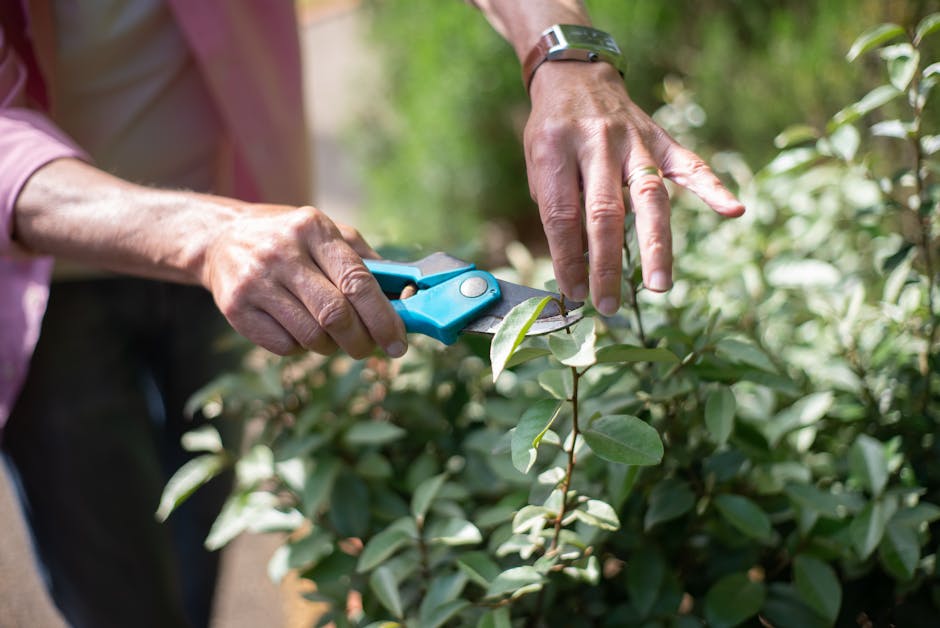
If you prefer professional help, it is usually worth choosing a service that can cover mowing, hedge work, and tidy-up tasks rather than booking each job separately. For example, if the lawn has gone soft and patchy after a damp spell, pairing lawn mowing with trimming and clearing usually gives a cleaner result. If hedges are the main issue, hedge trimming can restore the boundary line before it becomes awkward.
And if the garden has more structure than usual, or you are trying to improve layout as well as maintenance, it may be worth looking at landscape gardening or broader landscaping so the space is easier to keep under control in the long run.
Expert Tips for Better Results
In our experience, the best-maintained gardens are not the ones with the biggest effort once a year. They are the ones with small, repeatable habits. The difference shows up in spring and autumn most clearly, when growth and leaf drop can catch people out.
Here are a few practical tips that genuinely help:
- Cut little and often. A light mow or trim is easier than a rescue job after three weeks of growth.
- Watch the edges. Clean edges make even a small garden look purposeful.
- Check visibility at the boundary. If a hedge is starting to obscure sight lines, deal with it sooner rather than later.
- Keep access clear. Side gates, paths, and bin storage areas should not become overgrown squeeze points.
- Use the right service for the job. A clearance team, a mowing routine, and a tree specialist are not always interchangeable.
One small but useful habit: after a windy day, spend five minutes clearing loose twigs and checking for branches that look stressed. It sounds minor. It is minor. But tiny jobs prevent awkward bigger ones. Gardens have a funny way of getting dramatic if ignored for too long.
If you are unsure whether a tree or major branch is the issue, tree lopping and removal may be relevant, especially when overhanging growth is affecting light, access, or safety. If the real issue is volume of waste rather than plant shape, then garden clearance is usually the cleaner solution.
Common Mistakes to Avoid
Garden maintenance problems are often created by the same handful of mistakes. Nothing exotic. Just ordinary neglect, usually with good intentions attached to it.
- Leaving it until it becomes a "big job". That phrase has ruined many weekends.
- Cutting back too much at once. Over-pruning can stress shrubs and make hedges look bare for months.
- Ignoring the front garden. The front is the bit most likely to create a visible issue.
- Dumping waste in piles. Even temporary piles of cuttings can attract pests and complaints.
- Forgetting boundary responsibility. Hedges and branches that affect shared areas usually need attention, not excuses.
- Using the wrong tool for the material. A lawn mower is not a bramble solution, no matter how optimistic you feel on the day.
Another common one is assuming the garden only needs attention in summer. In reality, autumn leaf fall and winter storm debris can be just as problematic. A tidy January garden often starts with a clean October routine.
Tools, Resources and Recommendations
You do not need a shed full of expensive kit to keep a garden in decent shape. What you do need is the right setup for your space. A basic maintenance kit might include a mower, secateurs, hedge shears, gloves, a rake, and a decent waste bag system. For larger gardens, a strimmer or brush cutter may be useful, though only if you know how to use it safely.
For many households, the most practical resource is not a tool at all but a service plan. A scheduled maintenance visit can keep things from slipping, especially if the garden grows quickly or the property is being rented out. If budgets matter, it is also sensible to compare the work you truly need rather than paying for extras that do not help.
Two other pages on the site may help you think through the bigger picture. The services overview gives a useful sense of how different outdoor jobs fit together, while pricing and quotes is helpful when you want a clearer idea of how a job might be priced. If you are weighing up trust and working standards, it is also worth reviewing the company's insurance and safety information and health and safety policy.
For greener habits, recycling and sustainability is worth a look too. Garden waste does not need to be treated as throwaway material, and a tidy maintenance routine can still be environmentally sensible.
Law, Compliance, Standards, or Best Practice
It is worth being careful here. Council expectations can vary depending on the exact issue, the property type, and whether the problem affects public space, neighbouring land, or general safety. So the safest assumption is not "the council bans tall grass" or any similar oversimplification. The real question is whether the garden is creating a nuisance, obstruction, or safety concern.
For homeowners and landlords, best practice usually includes:
- keeping front gardens and boundary edges visibly maintained
- ensuring hedges and branches do not obstruct paths or sight lines
- disposing of green waste responsibly
- staying alert to overgrowth that could become hazardous
- making sure the garden does not contribute to pest issues or persistent complaints
If you manage a property, responsibility should be checked against tenancy agreements and any management arrangements. If you are not sure who should handle what, that is one of those situations where a quick, written agreement saves a lot of back-and-forth later. Quietly, that is half of property management: preventing small misunderstandings from becoming annoying ones.
From a practical perspective, common UK standards for garden upkeep are simply about being neighbourly, safe, and consistent. You do not need a show garden. You need a garden that is under control and not causing trouble.
Options, Methods, or Comparison Table
Different gardens need different approaches. A weekly mow is not the same as a full clearance, and a hedge tidy is not the same as reshaping a boundary line. This comparison may help you choose the right route.
| Method | Best for | Typical outcome | When to choose it |
|---|---|---|---|
| Routine maintenance | Established gardens that just need keeping neat | Regular mowing, trimming, weeding, and tidy edges | When the garden is already in decent shape |
| Garden clearance | Neglected or heavily overgrown spaces | Removal of waste, brambles, dead material, and clutter | When the garden needs a reset before maintenance begins |
| Hedge trimming | Boundary hedges and privacy screening | Cleaner shape, better visibility, less encroachment | When hedges are spilling into paths or looking uneven |
| Tree work | Large limbs, overhanging branches, or safety concerns | Reduced risk, better light, improved access | When pruning is beyond normal garden care |
For many Sydenham properties, the best answer is a mix. A one-off clearance to get started, then regular mowing and hedge care to keep it manageable. Not glamorous, perhaps. But effective.
Case Study or Real-World Example
A typical Sydenham situation might look like this: a small rear garden has been left alone through spring and early summer because the homeowner has been away, then work got busy, then the rain came, and suddenly the lawn is ankle-high in places, the hedge is leaning into the next garden, and cuttings from previous attempts are still tucked behind a shed. Nothing dramatic. Just life being life.
The sensible response is usually not to start with the mower and hope for the best. First, the surface clutter needs clearing. Next, the hedge line is cut back enough to restore shape and access. Then the lawn is brought down in stages rather than hacked aggressively all at once. After that, a simple monthly maintenance rhythm keeps the space under control.
That kind of reset changes how the garden feels almost immediately. You can hear the difference too - less rustle in the overgrowth, less crunch underfoot, more open air. It is a small thing, but it makes the garden feel usable again. And once it is back, keeping it there is much easier.
If the job is more than a casual tidy, a broader service package can help. Many people find that pairing clearing, mowing, and trimming gives better long-term value than trying to patch the problem in bits and pieces. If you want a sense of the company background before booking, the about us page is a good place to start.
Practical Checklist
Use this quick checklist before deciding whether your garden is simply due a tidy or needs a more serious reset.
- Grass is cut to a manageable height
- Hedges are not encroaching on paths or neighbouring boundaries
- Weeds are under control in beds, borders, and paving joints
- Dead branches, leaf litter, and loose cuttings are removed
- Bins, tools, and stored items are not blocking access
- No waste is left piled in a way that could attract complaints
- Any tree or large branch issue has been assessed properly
- Green waste is handled responsibly
- The maintenance plan is realistic for your time and budget
- The garden feels safe, tidy, and easy to use
If you can tick most of those off, you are probably in good shape. If not, no panic. Most gardens recover faster than people expect once someone gives them proper attention.
Get a free quote today and see how much you can save.
Conclusion
Lewisham Council rules for garden maintenance in Sydenham are really about keeping outdoor spaces safe, tidy, and non-disruptive. Once you strip away the jargon, the message is pretty straightforward: do not let the garden become a nuisance, manage waste properly, and keep on top of growth before it gets away from you. That applies whether you own a family home, rent a flat with a shared garden, or manage a property that needs regular upkeep.
The good news is that garden maintenance is rarely all-or-nothing. A little consistency goes a long way. A quick mow here, a hedge trim there, a proper clearance when needed - and suddenly the whole space feels calmer and easier to live with. That is usually the goal, after all.
If you are dealing with an overgrown garden, start with the practical next step rather than the perfect one. A sensible plan beats an ambitious one that never quite happens.
Frequently Asked Questions
What does Lewisham Council expect from garden maintenance in Sydenham?
In general, the council expects gardens to be kept in a reasonable, safe, and non-nuisance condition. That usually means controlling overgrowth, handling waste properly, and preventing issues that affect neighbours or public space.
Can the council take action if my garden is overgrown?
If the garden creates a nuisance, safety concern, or environmental problem, the council may become involved. The exact response depends on the situation, so it is best to address visible problems early rather than waiting for complaints.
Do front gardens matter more than back gardens?
Front gardens often draw more attention because they are visible from the street, but back gardens can still cause problems if they affect neighbours, shared areas, or safety. Both matter in practical terms.
How often should I mow my lawn in Sydenham?
That depends on the season, lawn type, and growth rate. In a fast-growing period, weekly or fortnightly mowing may be more realistic. The key is consistency, not chasing a fixed rule.
What should I do with hedge growth that crosses the boundary?
Trim it back carefully and check whether it is affecting paths, fences, or sight lines. If the hedge is large or awkward, professional hedge trimming is usually safer and neater.
Is garden waste allowed to stay in the garden temporarily?
Short-term stacking while you work is usually fine, but leaving waste out for too long can cause mess, attract pests, and create complaints. It is better to remove it promptly.
When does a garden need clearance rather than routine maintenance?
If the garden is heavily overgrown, full of brambles, dead material, or accumulated debris, clearance is usually the better first step. Maintenance works best once the space has been reset.
Are trees handled differently from normal shrubs and hedges?
Yes, usually. Larger trees and substantial limbs can involve different safety considerations, so tree lopping and removal may be more appropriate than standard garden trimming.
Can a landlord be responsible for garden upkeep?
Sometimes, yes. It depends on the tenancy agreement and the arrangement for the property. The important thing is to check responsibilities clearly so the garden does not become a point of dispute.
How can I keep a small Sydenham garden easy to maintain?
Keep the layout simple, mow regularly, trim boundaries before they get too large, and remove waste quickly. Smaller gardens are often easier than people think, as long as they are not allowed to drift.
What services are most useful if my garden has got out of hand?
Usually a combination of garden clearance, lawn mowing, and hedge trimming is the most helpful starting point. After that, a regular maintenance schedule keeps the garden from sliding back.
How do I know if I need professional help?
If the work feels unsafe, too time-consuming, or larger than a routine tidy, it is sensible to bring in help. That is especially true for heavy waste, awkward hedges, or any tree-related issue.