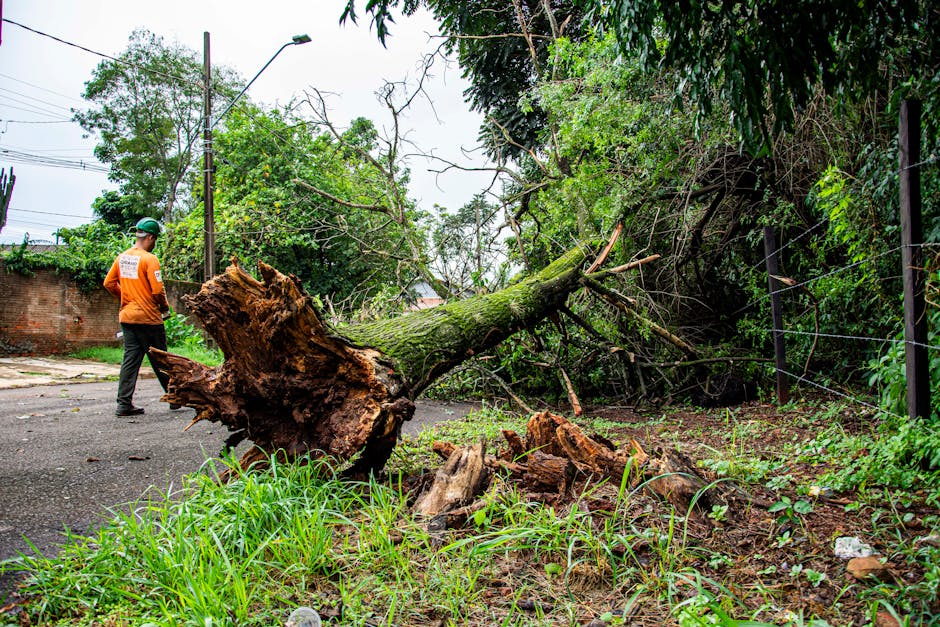
Emergency tree work and urgent gardeners for Sydenham homes
If a tree has split after a windy night, branches are hanging over a path, or the garden has gone from "manageable" to "please help" in a matter of hours, you need calm, practical action. Emergency tree work and urgent gardeners for Sydenham homes is about getting a risky outdoor space under control quickly, safely, and without making the problem worse. That might mean removing a fallen limb, making a tree safe, clearing debris, or simply restoring access before school runs, deliveries, or neighbours become part of the mess.
In Sydenham, where homes often have tight side access, mature planting, shared boundaries, and a healthy amount of everyday foot traffic, urgent garden help can be the difference between a nuisance and a genuine hazard. This guide explains what counts as an emergency, how the process usually works, what to expect from a competent team, and how to choose sensible next steps when the pressure is on. No fluff. Just the stuff that helps.
Why emergency tree work matters
Tree emergencies are rarely subtle. One branch can be cracked but still attached, a root plate can shift, or a whole tree can lean after heavy rain and a gusty evening. That is the point where "I'll sort it at the weekend" stops being a sensible plan. The risks are obvious enough once you look properly: blocked access, damaged fences, crushed planting beds, broken windows, trip hazards, and in the worst cases, injury.
Urgent gardeners help with the wider fallout too. After the immediate tree issue is made safe, the rest of the garden often needs quick recovery work: clearing brash, moving fallen leaves and debris, tidying broken borders, checking whether lawns have been churned up, and restoring basic usability. Truth be told, the visible mess is often what makes a homeowner feel overwhelmed. A good urgent response brings the whole place back into order, not just the one dangerous bit.
There is also a neighbourly angle. In a dense London setting, overhanging branches, shared boundaries, and debris drifting into adjoining gardens can become awkward very quickly. Acting fast shows you are dealing with the issue responsibly, and that matters. Not just for peace of mind, either.
Practical takeaway: if a tree, hedge, or overgrown area is creating immediate danger, the right response is not cosmetic tidy-up first. It is hazard control first, tidy-up second.
How urgent tree and garden help works
Emergency tree work and urgent gardeners for Sydenham homes usually follows a fairly direct pattern. You describe the problem, share a few details, and a competent team decides what level of response is needed. Sometimes the job is urgent but straightforward. Other times it needs a more careful plan, especially if the tree is large, close to buildings, or partly unstable.
A sensible response normally starts with a rapid visual assessment. That may happen by phone, with photos, or on site if access allows. The aim is to understand whether the priority is immediate safety, access restoration, or temporary securing before a fuller solution. For example, a snapped branch over a driveway might be handled quickly, while a tree with a split stem may need a more cautious approach and possibly sectioned removal.
Gardeners working in urgent conditions often deal with more than one issue at once. A storm-damaged front garden might need tree work, hedge trimming, debris removal, and a quick sweep of paths so someone can actually get in and out safely. If the site needs broader tidying after the initial risk is addressed, services like garden clearance and garden maintenance can be part of the recovery plan.
Where trees are involved, the work may overlap with tree lopping and removal, especially if branches need to be cut back to make the area safe or the tree itself can no longer remain in place. The point is not to rush blindly. The point is to act in a way that reduces risk without creating a bigger one. Slightly less dramatic, much more useful.
Key benefits and practical advantages
When you get the response right, the benefits are immediate and very tangible. The most obvious is safety, of course, but there are a few other advantages that people sometimes miss in the stress of the moment.
- Fast hazard reduction: broken limbs, unstable trees, and blocking debris are dealt with before they escalate.
- Access is restored: front paths, driveways, gates, and side returns become usable again.
- Further damage may be limited: quick intervention can help prevent a minor break from becoming a larger collapse.
- Neighbour issues are easier to manage: overhanging growth and falling debris can be addressed before complaints build up.
- Less stress for the homeowner: having one capable team sort the urgent bits saves a lot of running around.
- A cleaner recovery: once the dangerous material is removed, a garden can be reset rather than left half-finished.
There is also a practical finance angle, though nobody likes thinking about that during a storm. Small urgent actions can sometimes prevent larger remedial work later. That does not mean every emergency job is cheap or simple-far from it-but it does mean speed can be a sensible investment when there is a clear safety issue.
And let's face it, the visual difference matters. A front garden with a split branch, scattered twigs, and mud across the paving feels chaotic. Once it is cleared, even before any longer-term landscaping is considered, the whole property feels calmer.
Who this is for and when it makes sense
This kind of urgent help is for homeowners who need action now, or as close to now as possible. That might be after a storm, after noticing movement in a tree, or after a hedge or shrub has become dangerously unstable. It is also relevant if your outdoor space has become unsafe for children, visitors, delivery drivers, or anyone using a side passage.
Typical scenarios include:
- branches broken over a roof, pathway, or car
- a tree leaning more than it did yesterday
- limbs striking windows or fencing in strong wind
- storm debris blocking access
- heavy overgrowth hiding trip hazards or obstructing visibility
- damage spreading from one garden area into another
It also makes sense for older properties where trees and shrubs have been left to grow for years. In those gardens, a sudden event can expose old weaknesses very quickly. One minute everything looks fine; the next, a branch is hanging by a thread and the hedge line is a complete state. Happens all the time, honestly.
If the issue is not emergency-level but still pressing, a broader local team may combine urgent work with more routine tasks such as hedge trimming, lawn mowing, or longer-term landscaping once the site is safe to work on.
Step-by-step guidance
If you are dealing with a problem in real time, a simple sequence helps. No need to overthink it.
- Stay clear of the hazard. Do not stand under broken limbs or near a leaning tree. If a branch is partially attached, treat it as unstable.
- Make the area safer if you can do so without risk. Move people away, close gates, and keep pets inside.
- Take clear photos from a safe distance. A few wide shots and one or two close-up images can help explain the issue quickly.
- Describe the access conditions. Mention narrow side access, parked cars, locked gates, or anything else that affects the response.
- State what is urgent. Is it blocking a driveway, threatening a roof, or creating a public-facing hazard?
- Ask what will happen first. A competent team should explain whether the priority is making safe, clearing, or full removal.
- Check whether further tidy-up is needed. Once the immediate danger is gone, ask about waste removal, clearance, and restoring the garden.
- Confirm next steps clearly. If a follow-up visit is needed, make sure you understand what will be done and when.
One useful clarification: in an emergency, a quick, safe solution is often better than a perfect long-term one. The long-term answer can come later, after the tree has been stabilised or removed and the immediate risk is gone. That may sound obvious, but people often try to solve everything at once. Usually unnecessary.
Expert tips for better results
A few simple choices can make the whole job smoother and safer. These are the things experienced teams tend to notice right away.
- Be precise about what changed. "It was fine yesterday" is less useful than "the branch split during wind around 3am."
- Send pictures before anyone arrives. It saves time and helps the team bring the right equipment.
- Keep access open where possible. Move bins, cars, bikes, and garden furniture out of the way if it is safe to do so.
- Ask about disposal. Fallen wood, branches, and green waste can create more hassle than people expect.
- Think beyond the tree. Broken trellises, damaged borders, flooded beds, and crushed turf may need attention too.
- Use follow-up maintenance early. After the emergency, regular care helps stop the garden sliding back into trouble.
In our experience, the best outcomes happen when homeowners are honest about the state of the garden. If it is overgrown, awkward to access, or has been neglected a bit, say so. No judgement. It just helps the job go faster and keeps the visit realistic. Also, a garden that has been left for months is rarely the place to start pretending everything is neat. We've all seen those corners.
If the emergency has exposed wider neglect, a sensible next step might be a combination of clearance and ongoing care. A good follow-up plan could include garden maintenance to stop the space becoming risky again, rather than dealing with the same kind of problem twice.
Common mistakes to avoid
People often make the same handful of errors when a tree or garden problem becomes urgent. These are easy to avoid if you keep a cool head.
- Trying to cut unstable branches yourself. A hanging limb can move unpredictably. It is not worth the gamble.
- Standing too close for a better look. Curiosity is human, but it is also how avoidable accidents happen.
- Assuming all urgent jobs are simple. Some need a straightforward tidy-up; others need careful sectional removal.
- Ignoring hidden damage. What looks like one broken branch may sit on top of cracked stems or disturbed roots.
- Skipping aftercare. If the area is cleared but not restored, the garden can remain awkward and unsafe.
- Forgetting about neighbours or shared boundaries. Overhanging growth and debris can become a relationship problem fast.
One more thing: do not let the phrase "it's only a garden" fool you. Gardens are used daily. People walk through them, children run around them, and utility access often runs through them as well. A messy or damaged outdoor space can affect the whole household.
Tools, resources and recommendations
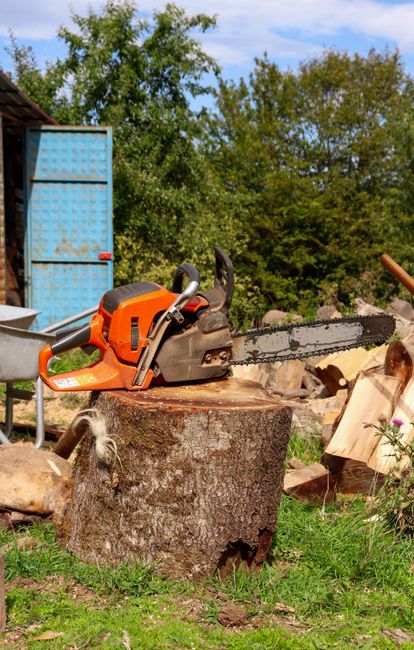
Not every homeowner needs to know the full equipment list, but it helps to understand what a capable urgent team may use. The right tools depend on the job, of course, but in practice you may see chainsaws, polesaws, hand saws, ladders, lowering gear, rakes, wheelbarrows, tarps, chippers, and basic protective equipment. The combination matters more than any single tool.
For garden recovery, practical gear often includes scarifiers for debris, shears for broken growth, pruning saws for smaller branches, and general clearance equipment. If the work expands into a wider tidy-up, it may overlap with services such as lawn mowing and hedge trimming, especially when the emergency has left the whole place looking tired.
Useful homeowner recommendations:
- keep a few recent photos of the garden in normal condition, so changes are easier to spot
- know where gates, water access, and electrics are before work starts
- have bin storage and waste access in mind if large volumes of green waste are likely
- store a simple note of any ongoing tree issues, even if they seem minor
If an emergency reveals that your outdoor space needs a broader reset, an initial tidy-up can lead naturally into a more planned improvement. That might involve landscape gardening or a more structural refresh later on. Not everything has to be fixed today. But the dangerous stuff does.
Law, compliance, standards and best practice
For homeowners, the main point is simple: work involving trees, height, sharp tools, and unstable material should be handled with care and sensible practice. In the UK, competent contractors are expected to work safely, assess risks properly, and use suitable protective measures. That includes managing access, working around overhead hazards, and dealing with waste responsibly.
If a tree is protected, or if the site is in a conservation area, additional checks may be needed before non-urgent work proceeds. In a genuine emergency, immediate safety measures may still be necessary, but it is wise to treat protected trees with particular caution and seek proper guidance before any non-essential removal. This is one of those areas where a fast answer is not always the same as a final answer.
Best practice also includes proper insurance, clear communication, and a sensible approach to waste disposal. Homeowners should expect transparency around what is being done, why it is being done, and any limits on the work. If a company has published information about safety, it is worth reading; pages like insurance and safety and health and safety policy can be useful indicators of how seriously they approach the job.
Environmental care matters too. Branches, leaves, and green waste should not just disappear into a vague void. Responsible handling, recycling where appropriate, and tidy site clear-up all form part of a professional standard. If sustainability is a concern for you, it can be worth checking a provider's approach to recycling and sustainability.
Options, methods and comparison table
Not every urgent garden issue needs the same type of response. Sometimes you need a light touch; sometimes the job is more involved. The table below gives a plain-English comparison.
| Approach | Best for | What it usually involves | Typical outcome |
|---|---|---|---|
| Immediate make-safe | Loose branches, unstable edges, access hazards | Removing obvious danger and securing the site | Area becomes safer quickly |
| Urgent clearance | Storm debris, blocked paths, fallen material | Collecting, loading, and removing waste | Access restored and site cleared |
| Tree reduction or removal | Serious damage, structural instability, recurring failure | Cutting back, dismantling, or taking out the tree | Longer-term risk reduced |
| Follow-up maintenance | Gardens that are recovering after the emergency | Routine cutting, tidy-up, and ongoing care | Space stays manageable and safer |
If the issue is mostly overgrowth rather than a tree failure, the best solution may be a combination of urgent tidying and ongoing care. For some homes, the right pairing is simple: a fast response now, then a return visit for garden clearance or long-term upkeep later. That's usually the least stressful route.
Case study or real-world example
Picture a Sydenham home after a night of heavy wind. A mature tree at the front has dropped a large limb across the driveway, the hedge has taken a battering, and smaller twigs are scattered over the path like somebody emptied a basket in a rush. The household still needs to leave for work and school, and the front gate is half blocked.
In a case like that, the first job is not to make the garden look pretty. It is to make the site safe and usable. The urgent response would usually start with assessing whether the broken limb is stable, then removing it in a controlled way. Once the heavy material is out, the rest of the debris can be cleared, the hedge line tidied, and the driveway swept. If the soil or lawn has been damaged, the next visit might focus on repair and routine care rather than emergency work.
That sequence matters because it keeps everyone calmer. The household can get on with the day, the garden is not left half-done, and the repair plan is clear. Not glamorous, maybe, but very effective. And when the wind drops the next evening, the place no longer feels like it is waiting for the next problem.
Practical checklist
Use this when you need to act quickly. It keeps the decision-making clean.
- Is anyone in immediate danger?
- Is the tree or branch still moving, cracking, or hanging?
- Is access blocked for people, vehicles, or deliveries?
- Have you taken safe, clear photos of the problem?
- Have you kept children, pets, and neighbours away from the hazard?
- Do you know whether the problem is mainly tree work, clearance, or both?
- Will the job need waste removal as well as cutting?
- Are there fences, roofs, windows, or neighbouring boundaries at risk?
- Do you need follow-up care after the immediate risk is dealt with?
- Have you checked the team's safety, insurance, and complaint information if needed?
One small note: if you are unsure whether the issue is truly an emergency, err on the side of caution. A quick assessment is far better than waiting until the next gust of wind turns a problem into a bigger one.
Get a free quote today and see how much you can save.
Conclusion
Emergency tree work and urgent gardeners for Sydenham homes is really about restoring order fast, but properly. Not rushing blindly. Not leaving danger in place because the garden "looks mostly okay." It is about knowing what needs immediate attention, what can wait until tomorrow, and how to bring a risky outdoor space back to something safe, usable, and less stressful.
For homeowners, the most helpful mindset is simple: start with safety, then clear the mess, then plan the recovery. That order saves time and avoids a lot of second-guessing. And if the job leads into broader garden improvement afterwards, that is often a good thing. A rough moment can be the start of a better-kept space. Little by little, it comes back together.
When the unexpected happens, a steady pair of hands and a clear plan make all the difference.
Frequently Asked Questions
What counts as emergency tree work at a home in Sydenham?
Anything that creates an immediate safety risk or blocks access can count as an emergency. Common examples include split branches, a leaning tree, storm damage, or material that could fall onto people, property, or paths.
Do urgent gardeners only deal with trees?
No. Urgent gardeners often handle the wider fallout too, such as debris removal, clearing blocked paths, tidying broken borders, and restoring access after a tree or hedge problem.
Should I try to remove a broken branch myself?
Usually not if it is hanging, cracked, or under tension. Unstable branches can move unexpectedly. It is safer to keep clear and get a competent team to assess it.
How do I know if the problem is serious enough to call for help?
If the tree or branch could fall, is already touching a building, or is blocking normal movement through the property, treat it seriously. If you are unsure, send photos and ask for an urgent assessment.
What information should I give when I ask for emergency help?
Share the location of the problem, what happened, whether anyone is at risk, how bad the damage looks, and whether access is narrow or restricted. Photos help a lot.
Can urgent garden work include hedge trimming and lawn tidy-up?
Yes, if those tasks are part of making the garden safe and usable again. A storm-damaged hedge or a lawn covered in debris may need prompt attention once the immediate hazard is dealt with.
Is tree removal always necessary in an emergency?
No. Sometimes the tree only needs to be made safe by removing a damaged limb or reducing weight. Removal is usually considered when the structure is badly compromised or the risk is too high to leave in place.
What happens to the waste after the work is done?
Normally it should be collected and removed as part of the service, or otherwise handled in a way that is agreed in advance. If sustainability matters to you, ask how the waste will be dealt with.
Will emergency work damage the rest of my garden?
A careful team should try to minimise disruption, but some impact is normal when dealing with heavy branches, limited access, or wet ground. The aim is to reduce damage overall, not pretend there will be none.
What if the issue is urgent but not life-threatening?
That is still worth dealing with quickly. Access problems, unstable growth, and partial damage can worsen fast if left overnight or through another windy spell.
How does urgent tree work differ from routine maintenance?
Routine maintenance is planned, tidy, and preventative. Urgent work is reactive, safety-focused, and often carried out under tighter time pressure. Both matter, just for different reasons.
Can a garden be made safe first and fully tidied later?
Yes, and that is often the best approach. In an emergency, the main priority is to remove the immediate danger. Full tidying, shaping, or longer-term improvement can come next.
Where can I read more about the company's wider services and policies?
You can review the wider service range through services overview, and if you want to understand the business background, the about us page is a useful place to start. For practical next steps, pricing and quotes is also worth a look.
How can I stay prepared for the next storm or garden emergency?
Keep trees checked, trim back obvious hazards before they become brittle, and maintain clear access routes. A little routine care goes a long way. It really does.